लेखक:
लेखक: 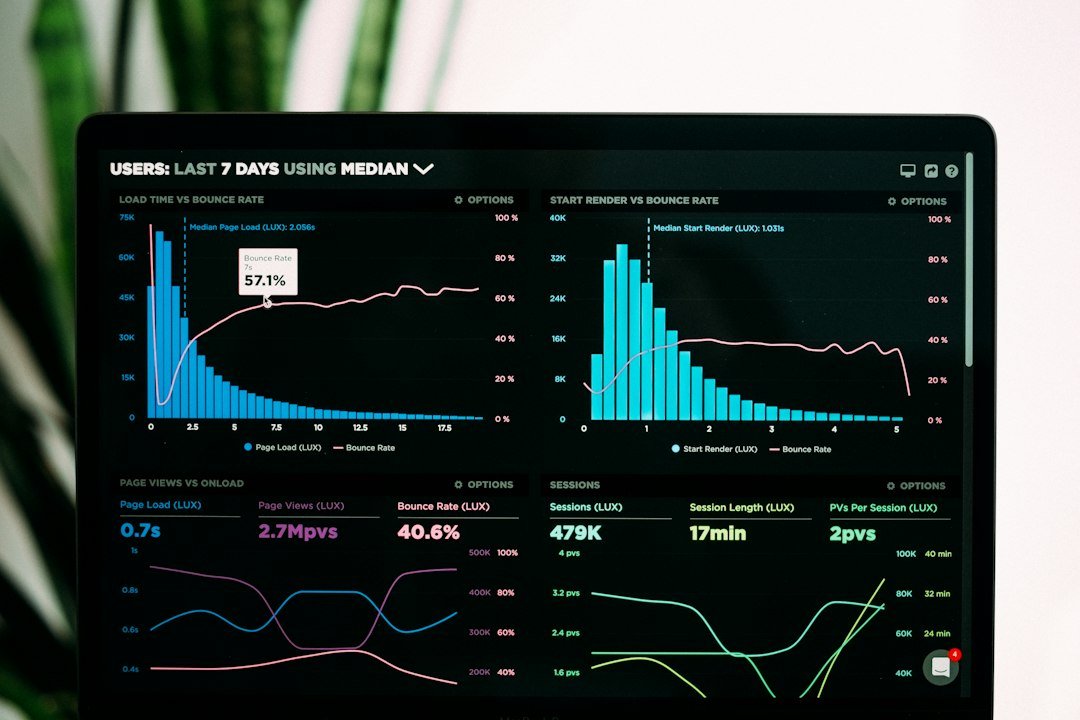
SaaS यानी Software as a Service आज के digital business का सबसे common software delivery model है। इसमें company software खरीदकर अपने server पर install करने की बजाय internet के जरिए service की तरह use करती है—अक्सर monthly या annual subscription के साथ। Email, CRM, accounting, collaboration और productivity tools इसके familiar examples हैं।
SaaS क्या है?
NIST की cloud computing definition में SaaS को तीन main cloud service models में से एक माना गया है। SaaS में provider application और underlying infrastructure manage करता है, जबकि customer ready-to-use software access करता है। User को server, operating system या application deployment manually manage नहीं करना पड़ता।
Traditional Software और SaaS में फर्क
Traditional model में software license खरीदकर local machine या company server पर install किया जा सकता है। SaaS model में software provider के environment में run करता है और user browser या app के जरिए access करता है।
- Traditional: upfront license, manual installation, local updates.
- SaaS: subscription, cloud access, provider-managed updates.
SaaS Business Model कैसे पैसा कमाता है?
Subscription revenue
सबसे common model monthly या annual recurring subscription है। Pricing per user, per workspace, per feature tier या usage के आधार पर हो सकती है।
Usage-based pricing
कुछ SaaS products API calls, storage, compute या transactions के हिसाब से bill करते हैं। AI और developer tools में यह model तेजी से common हुआ है।
Freemium
Basic version free और advanced features paid हो सकते हैं। इसका उद्देश्य users को product try करवाना और बाद में paid conversion बढ़ाना है।
Enterprise contracts
Larger organizations के लिए custom pricing, security controls, integrations, support और compliance packages दिए जा सकते हैं।
SaaS companies के important metrics
MRR और ARR
MRR Monthly Recurring Revenue और ARR Annual Recurring Revenue को दर्शाता है। ये recurring business की revenue visibility समझने में मदद करते हैं।
Churn
कितने customers या कितनी recurring revenue एक period में चली गई—इसे churn से measure किया जाता है। High churn संकेत दे सकता है कि product value, pricing या customer experience में problem है।
CAC
Customer Acquisition Cost बताता है कि नया customer हासिल करने में marketing और sales पर कितना खर्च हो रहा है।
LTV
Lifetime Value estimate करता है कि average customer relationship से business कितनी value generate कर सकता है।
SaaS के फायदे क्या हैं?
- Users को installation और server management कम करना पड़ता है।
- Updates centralized तरीके से roll out हो सकती हैं।
- Remote access आसान होता है।
- Businesses seats या plan बदलकर scale कर सकते हैं।
- Provider के लिए recurring revenue visibility बेहतर हो सकती है।
SaaS के risks क्या हैं?
Vendor lock-in
Data export और integrations limited हों तो provider बदलना मुश्किल हो सकता है। Purchase से पहले export format और migration options check करना चाहिए।
Recurring cost
छोटी monthly fee समय के साथ बड़ी cost बन सकती है, खासकर जब कई tools duplicate features offer करें।
Data privacy
Business data third-party service में store या process हो सकती है। Security controls, data retention और access permissions understand करना जरूरी है।
Service availability
Provider outage होने पर users software access नहीं कर पाएंगे। Critical workflows के लिए contingency plan important है।
SaaS tool खरीदने से पहले 8 सवाल
- Pricing per user है या usage-based?
- Annual contract और cancellation terms क्या हैं?
- Data export आसान है?
- Role-based access और MFA उपलब्ध हैं?
- Backup और retention policy क्या है?
- Required integrations मौजूद हैं?
- Support response time क्या है?
- Plan upgrade होने पर cost कितनी बढ़ेगी?
AI SaaS में क्या बदल रहा है?
AI features SaaS products में assistant, search, automation और analysis के रूप में जुड़ रही हैं। इससे pricing भी बदल सकती है—traditional per-seat model के साथ credits, usage या task-based billing जुड़ सकती है। Business को सिर्फ feature list नहीं, actual usage economics भी देखनी चाहिए।
Bottom line
SaaS सिर्फ online software नहीं, recurring service model है। Customers के लिए convenience और scalability इसका बड़ा benefit है; vendors के लिए recurring revenue और centralized product delivery। लेकिन सही SaaS decision में features के साथ data ownership, security, switching cost और long-term pricing भी देखना जरूरी है।