लेखक:
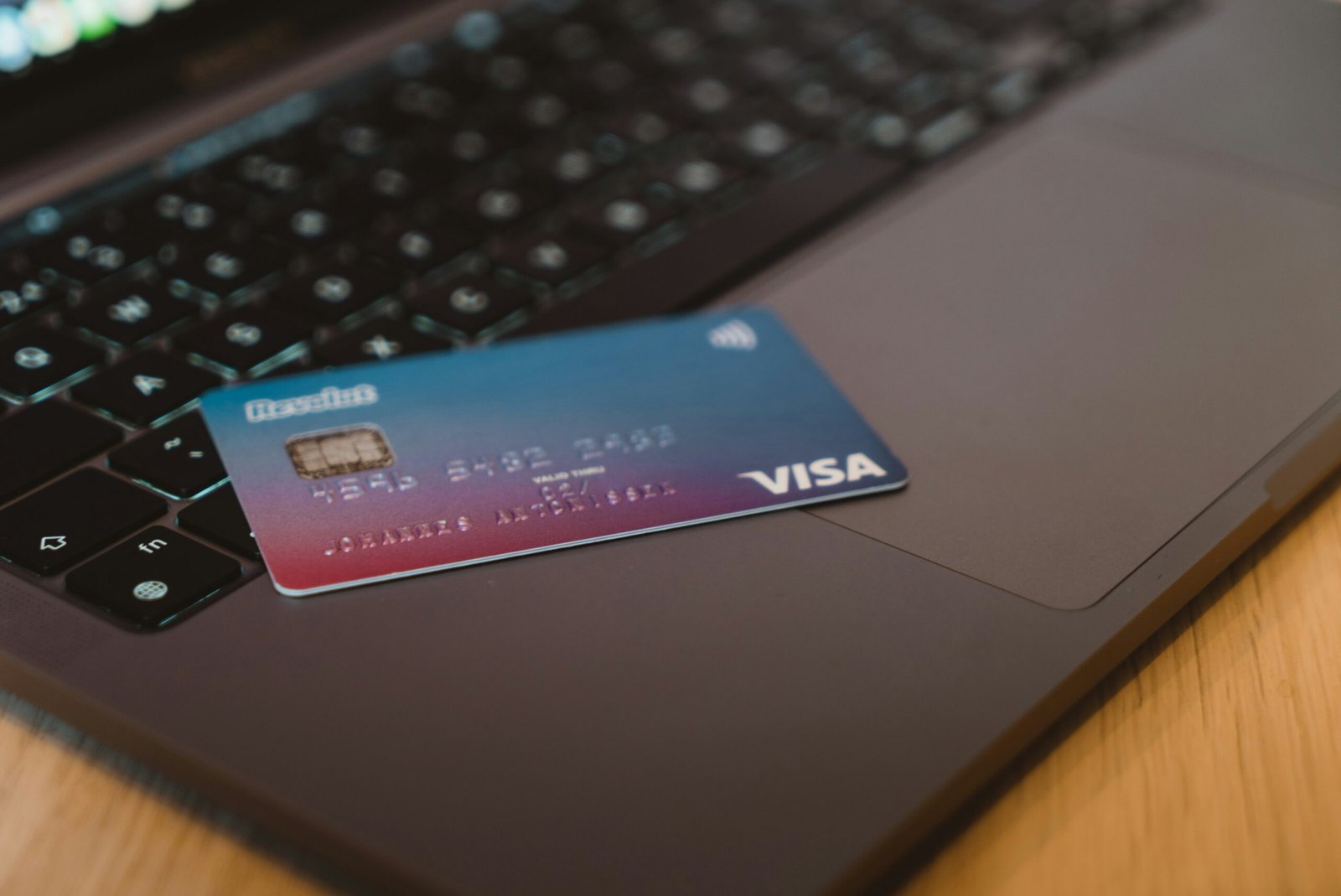
Credit Card Interest-Free Period 2026: 20–50 days जैसी advertised grace period हर purchase के लिए समान नहीं होती। इस Hindi guide में statement date, payment due date, ₹30,000 interest example, Minimum Amount Due, 3-day RBI late-reporting rule, ATM cash withdrawal, refunds और card payment strategies को verified regulatory और bank documents से अलग-अलग समझते हैं।
Credit Card Interest-Free Period क्या है? सीधा जवाब
Credit card पर interest-free period वह समय है जिसमें eligible retail purchase के लिए payment due date तक finance charge नहीं लगता, बशर्ते issuer की conditions पूरी हों—मुख्यतः पिछले statement का पूरा Total Amount Due समय पर चुकाया गया हो और मौजूदा statement भी due date तक full pay हो। यह हर transaction के लिए निश्चित 50 दिन का free loan नहीं है। Grace period खरीद की तारीख, statement generation date, due date और previous dues के status से बदलता है। RBI के credit-card directions बताते हैं कि previous bill का balance बचने पर interest-free facility suspended हो सकती है। इसलिए केवल cashback देखकर नहीं, statement और repayment history देखकर खरीदारी करें।
Billing Cycle, Statement Date और Payment Due Date
Billing cycle दो successive statement cut-off dates के बीच की transactions का period है। Statement Date वह तारीख है जब issuer completed billing-cycle की purchases और fees का bill बनाता है। Payment Due Date वह आखिरी दिन है जिस तक complete statement dues pay करने से eligible retail purchases का grace benefit बना रह सकता है। Card limit का unused हिस्सा due date को नहीं बदलता। App पर “Current Outstanding” और “Total Amount Due” अलग दिख सकते हैं क्योंकि unbilled purchases अगली statement में जाती हैं। Example के लिए 1 से 30 तारीख को billing cycle और अगले महीने 20 को due date मानेंगे; आपके card में calendar और statement cut-off अलग हो सकते हैं।
20–50 Days कैसे निकलते हैं? Worked Date Example
मान लीजिए illustrative credit card का statement 30 जून 2026 को कटता है और full-payment due date 20 जुलाई 2026 है। अगर eligible purchase 1 जून को की गई, तो purchase से 20 जुलाई तक लगभग 49 दिन का interval बनेगा। उसी cycle में 29 जून को purchase हो तो लगभग 21 दिन मिलेगा। इसी कारण issuer की advertised 20–50 days जैसी range समझ आती है। यह dates का educational illustration है, किसी bank की current product guarantee नहीं। Card settlement/merchant posting timing के कारण transaction actual statement में किस महीने जाएगी, उसमें अंतर हो सकता है। Due date को लेकर bank statement पर printed exact date ही मान्य है।
Step-by-Step अपना Interest-Free Period Calculate करें
पहले app या e-statement से billing cycle end date note करें। फिर अगली payment due date देखें। नई खरीद के लिए bank द्वारा transaction किस statement में posted की जाएगी यह समझें। यदि purchase upcoming statement में जाएगी तो उसी statement की due date तक दिन गिनें; अगर next billing cycle में post हुई तो period अलग होगा। फिर previous statement का Total Amount Due और उसके payment confirmation verify करें। यह सबसे अहम eligibility condition है। Calendar app में due-date reminder रख सकते हैं, लेकिन holiday, NEFT/UPI settlement delay और bank cut-off को ध्यान में रखकर दो या तीन दिन पहले full payment करना बेहतर है।
Payment Date Table: Same Cycle के अलग Days
| Illustrative Purchase | Statement Date | Due Date | Approx. Days |
|---|---|---|---|
| 1 June | 30 June | 20 July | 49 days |
| 10 June | 30 June | 20 July | 40 days |
| 20 June | 30 June | 20 July | 30 days |
| 29 June | 30 June | 20 July | 21 days |
ये illustrative calendar differences हैं; bank के वास्तविक cycle, leap-year, transaction posting और daily interest-count methodology अलग हो सकती है। Finance charge zero का निष्कर्ष तभी लगाएँ जब full-payment eligibility पूरी हो। Cash withdrawal या specialised card transaction इस table के scope में नहीं है।
Minimum Amount Due देने से Interest-Free Benefit बचता है?
नहीं। Minimum Amount Due भरने से सामान्यतः full bill discharge नहीं होता। RBI के March 2024 updated Master Direction के अनुसार यदि पिछले महीने का balance outstanding है तो card issuer को interest-free credit period suspend होने की जानकारी MITC में समझानी होती है। Due date तक केवल minimum payment देने से finance charges और revolving debt बढ़ सकते हैं, भले late fee के treatment में अंतर हो। RBI ने minimum due के खतरे को statement में prominently warn करने की direction दी है। Nexeons का पहले से published Credit Card Minimum Due Guide interest और debt trap अलग विस्तार से समझाता है।
Partial Payment पर पुराने और नए purchases का क्या?
Card issuer की interest calculation policy के तहत Total Amount Due का कुछ हिस्सा unpaid रहने पर interest-free benefit खो सकता है; remaining outstanding पर finance charges लगते हैं और new eligible purchases पर भी normal grace facility प्रभावित हो सकती है। RBI की FAQ कहती है कि interest outstanding amount पर payments, refunds और reversals को adjust करते हुए calculate होगा; full gross billed amount पर mechanically penalty charge लगाना नियम के मुताबिक नहीं। कई card issuers transaction date से interest calculate करते हैं जब interest-free period lost हो। इसलिए पुराने dues clear होते ही नए purchases automatically उसी समय eligible हो गए, ऐसा अनुमान न लगाएँ; next cycle restoration की bank-specific MITC देखें।
₹30,000 Outstanding पर 36% APR का Illustrative Interest
मान लें एक card transaction पर ₹30,000 outstanding है, finance rate annualised 36% है और illustration में simple daily accrual 25 days के लिए लेते हैं। Indicative finance charge = ₹30,000 × 0.36 × 25/365 = ₹739.73। यह केवल arithmetic illustration है, किसी specific bank की actual billed interest amount नहीं। अलग banks daily balance, monthly finance rate, statement cutoff, payments/refunds adjustment और compounding methodology के अनुसार charge निकालते हैं। Applicable GST या other levies अलग हो सकते हैं; tax पर RBI capitalization restrictions भी हैं। Effective rate तथा APR card’s Key Fact Statement और Most Important Terms & Conditions से verify करें।
Full Payment बनाम Partial Payment: Compare
| Action | Eligible Retail Purchase Grace Period | Important Impact |
|---|---|---|
| Full Total Amount Due before due date | Usually maintained, conditions apply | Ordinary eligible purchase finance charge बच सकता है |
| Only Minimum Amount Due | May be suspended/lost | Outstanding और new spends पर charges संभव |
| Part-payment above minimum | Full bill unpaid होने पर benefit प्रभावित | Interest adjustments actual unpaid amount के आधार पर |
| Cash advance from ATM | Ordinary retail grace benefit लागू नहीं | Transaction date से finance charges और cash fees |
Exact products में fees, taxes और repayment allocation अलग हो सकती है।
Cash Withdrawal Interest-Free क्यों नहीं होता?
Credit card से ATM withdrawal को सामान्य retail purchase की तरह interest-free नहीं मानना चाहिए। SBI Card की May 2026 Key Fact Statement में cash advance पर free credit period Nil और withdrawal date से charges specified हैं। ICICI Bank के consumer FAQ भी cash advance को transaction date से interest-bearing बताते हैं। इसके अलावा cash advance transaction fee अलग हो सकती है। Credit card cash withdrawal वास्तविक emergency का expensive fallback हो सकता है, routine cash management का अच्छा तरीका नहीं। ATM से पैसे निकालने के बाद अगले statement तक इंतजार करने से cost बढ़ सकती है। पहले bank के latest KFS, fee schedule और alternative सुरक्षित payment options देखें।
RBI का 3-day rule कोई Extra Interest-Free Grace नहीं
RBI directions में credit information company को past due report करने या specified late-payment charges लगाने की threshold तीन दिन से अधिक past due होने से जुड़ी है। इसका मतलब payment due date में बिना consequence तीन दिन extra interest-free period जोड़ दिए गए हैं, ऐसा नहीं। Finance charges और loss of interest-free benefits card agreement तथा full payment eligibility से निर्धारित होते हैं। Delayed payment का date counting original statement due date से हो सकता है। इसलिए अपने due date को वास्तविक deadline मानें, 3-day provision को free borrowing extension न बनाएं। RBI की directions और bank का exact statement एक साथ पढ़ना आवश्यक है।
Statement Balance, Total Due और Current Outstanding
App पर दिखाई देने वाला Total Amount Due generally issued statement से जुड़ा होता है। Current Outstanding में statement के बाद की new/unbilled transactions शामिल हो सकती हैं। Minimum Due issuer-defined smaller minimum payment है। Unbilled Amount अगली statement के लिए booked charges को दिखा सकता है। एक ही number हर app में समान heading से न दिखे। Full statement payment करना और future unbilled transactions तुरंत clear करना अलग choices हैं। अगर issuer ने existing carried balance पर interest charge लगाए हैं, तो payment appropriation order important हो सकता है। Statement PDF में brought-forward balance, purchases, credits, finance charges और total due को अलग cross-check करें।
Refund और Reversal से Interest Calculation कैसे बदलेगी?
Product return, merchant refund या failed transaction reversal payment liability कम कर सकती है, लेकिन refund किस तारीख को card ledger में posted हुई और original billing cycle में कैसे adjust हुई, यह interest calculation को प्रभावित कर सकता है। RBI के March 2024 updated Master Direction में outstanding amount payments/refunds/reversed transactions से adjust करने की बात है। “Return apply कर दिया” वाले merchant email को actual bank credit मानना ठीक नहीं। Card statement में refund reference और posting date चेक करें। Disputed charge में due amount और temporary credit अलग हों तो bank’s customer support से written status लें। Credit Card Chargeback और Dispute guide मदद कर सकती है।
EMI Conversion पर Grace Period की अलग Terms
Retail purchase को EMI में convert करने पर interest, processing fee और applicable promotional conditions बदल सकती हैं। Some “no-cost EMI” products में merchant discount offset, processing charges या GST cash cost संभव है; उन्हें blanket zero cost नहीं कह सकते। EMI instalment card statement के minimum amount due computation को भी प्रभावित कर सकती है। Conversion से पहले total repayable, foreclosure terms, reward eligibility और statement posting देखिए। Full bill चुकाने का general rule EMI-scheduled components की specific terms से अलग हो सकता है। बैंक की written confirmation के बिना purchase को finance-charge-free मानकर खर्च न करें। EMI सुविधा individual purchase affordability को बेहतर दिखा सकती है, पर outstanding obligations बढ़ा भी सकती है।
Statement Date बदलने से Interest-Free Days बढ़ेंगे?
कुछ issuers cardholder को billing cycle बदलने का विकल्प देते हैं और RBI directions ने billing cycle modification के लिए customer choice पर guidance दी है। लेकिन date बदलना हमेशा अधिक free days या lower finance charge guarantee नहीं करता। यदि salary 5 तारीख को आती है तो due date उस cashflow के अनुकूल रखना useful हो सकता है। Statement date और due date linked होती हैं, इसलिए issuer के confirmed schedule और next statement cut-off को check करें। Payment due से एकदम पहले large purchase करके expected grace maximise करने की strategy तभी काम करती है जब previous balances clear हों और retailer transaction अगले cycle में वास्तव में post हो।
Interest-Free Period और Reward Points में Priority
कई consumers cashback या reward points पाने के लिए ऐसा transaction कर देते हैं जिसका bill due date तक full pay नहीं कर सकेंगे। अगर ₹50,000 पर 1% cashback यानी ₹500 मिला लेकिन revolving credit finance charge उससे अधिक हुआ, तो reward financial नुकसान रोक नहीं पाएगा। Joining, renewal, reward redemption, surcharge और foreign-currency markup की terms भी देखें। Cashback promotional window और eligible merchant codes तक सीमित हो सकता है। Card सिर्फ उतना खर्च करने के लिए रखें जितना linked bank account से पूरा repay कर सकें। Unexpected expense के लिए emergency fund रखना credit card revolving balance पर लंबे समय की निर्भरता घटा सकता है।
Due-Date से पहले Payment Settle हुआ या नहीं?
Bank/card app में payment initiated, successful और card-account credited तीन अलग statuses हो सकते हैं। Auto-debit setup करते समय funded source account, mandate cap और bank holiday cutoffs test करें। Due date की रात देर से transfer करने पर credit posting delay risk हो सकता है; earlier settlement safer है। Partial auto-debit कभी minimum amount due तक ही configured हो सकती है; full bill payment option चुनना सुनिश्चित करें। E-statement और confirmation receipt सुरक्षित रखें। Same bank में instant credit offer और external transfer की processing time अलग होती है। Duplicate payment हो तो refund और next statement adjustment bank policy के आधार पर होंगे।
Credit Card Bill को Calendar में कैसे Manage करें?
एक monthly reminder system बनाइए: Statement Generated day, Total Amount Due review, payment 3 working days before due date, and bank-credit verification। खर्च को essentials, subscriptions, one-time purchases और refunds के समूहों में categorise करें। अगर statement में किसी unfamiliar charge का पता चले, authorised dispute procedure तुरंत शुरू करें; unresolved dispute के कारण बाकी undisputed bill का payment छोड़ना अपने आप safe नहीं। Card issuer और banking regulator के complaint timelines का पालन करें। परिवार में shared addon cards हों तो consolidated statement पर spending permissions और due date review करें। Addon user और primary liability की terms product-specific हो सकती हैं।
छोटा Business Credit Card इस्तेमाल करे तो क्या?
Business owner office subscriptions, online ads, inventory या travel के लिए business card इस्तेमाल कर सकता है, लेकिन free float की वजह से permanent cashflow problem को छिपाना उचित नहीं। Credit card पर cash advance, minimum due और finance charges के नियम consumer product से अलग होने की स्थिति में business-card MITC देखें। Tax invoice और personal expenses को separate accounting ledger में रखें। अगर client का payment due date के बाद आएगा, तो revolving finance की संभावित cost को cashflow forecast में डालें। Nexeons Finance Calculators illustrative budget planning में मदद कर सकते हैं, पर credit-card APR की actual bank-specific billing calculation वहाँ guaranteed नहीं।
2026 Competitor Gap: एक Page में पूरा Decision Framework
कुछ educational websites grace days पर केंद्रित रहती हैं, जबकि reader को चार conditions साथ समझनी चाहिए: (1) cycle और due date, (2) previous balance fully paid, (3) transaction ordinary retail purchase है या cash advance, और (4) issued statement पर amounts/refunds कैसे adjusted हैं। Card comparison करते समय advertised “up to 50 days” से पहले issuer KFS खोलें। SBI Card May 2026 factsheet 20–50-day retail purchase range बताती है; ICICI FAQ में एक card illustration 18–48 days देता है। दोनों में अंतर contradiction नहीं, product-specific terms हैं। इसे common market maximum का universal guarantee न बनाएं।
FAQs: क्या मैंने Total Due पूरा चुका दिया तो कोई interest नहीं?
यदि previous dues full थे, current qualifying retail purchases पर issuer के interest-free conditions meet होती हैं और due date तक full amount credit हो गया, तो ordinary retail purchase interest बच सकता है। Cash withdrawals, fees, existing carried balances, product-specific instalments या special transactions का treatment अलग हो सकता है। फिर भी अगले statement में unusual finance charge दिखे तो bank की written explanation और calculation माँगें।
FAQs: Minimum Due भरने से CIBIL सुरक्षित और ब्याज zero?
Minimum due credit reporting और late payment शुल्क के कुछ risk को बदल सकता है, पर revolving balance पर finance charges को automatically zero नहीं करता। RBI direction minimum-payment warning और interest-free suspension की जानकारी स्पष्ट माँगती है। Outstanding balances और repayments credit profile पर अन्य प्रभाव भी डाल सकते हैं। CIBIL Score Guide में व्यापक payment history का context समझें।
FAQs: 45 दिन free interest हर महीने कैसे?
एक fixed 45-day period हर individual transaction को नहीं मिलता। Billing period की शुरुआत और अंत में की purchases के available days अलग होते हैं। अगर previous statement unpaid है तो retail purchases की usual grace भी खो सकती है। अपने card की exact statement date, actual due date, transaction posting date और bank MITC के अनुसार गिनना जरूरी है।
Sources, Review Notes और Reader Disclosure
मुख्य source RBI March 2024 credit-card amendment और RBI updated Card Master Direction हैं। Bank product disclosures के लिए SBI Card May 2026 Key Fact Statement, ICICI official FAQs तथा ICICI Terms देखें। Competitor article references CardInsider explainer और Paisabazaar से विषय की search-intent तुलना में उपयोग किए गए। Figures educational हैं; full payment and product conditions को bank से final confirm करें। Last reviewed: 19 October 2026. Interest charges, card terms and fees may differ between issuers and may change. Featured photo credit CardMapr/Unsplash.
इस विषय पर आगे क्या पढ़ें?
इस खबर से जुड़े विषयों को आसान भाषा में और गहराई से समझें।